What is the number one thing to do in Seville?
The honest ranked answer: monuments by day, live flamenco after dark. What each one gives you, what it costs, and the evening clock that decides your night.
 By Carmen Ruiz, Seville flamenco show specialist & cultural experience guide
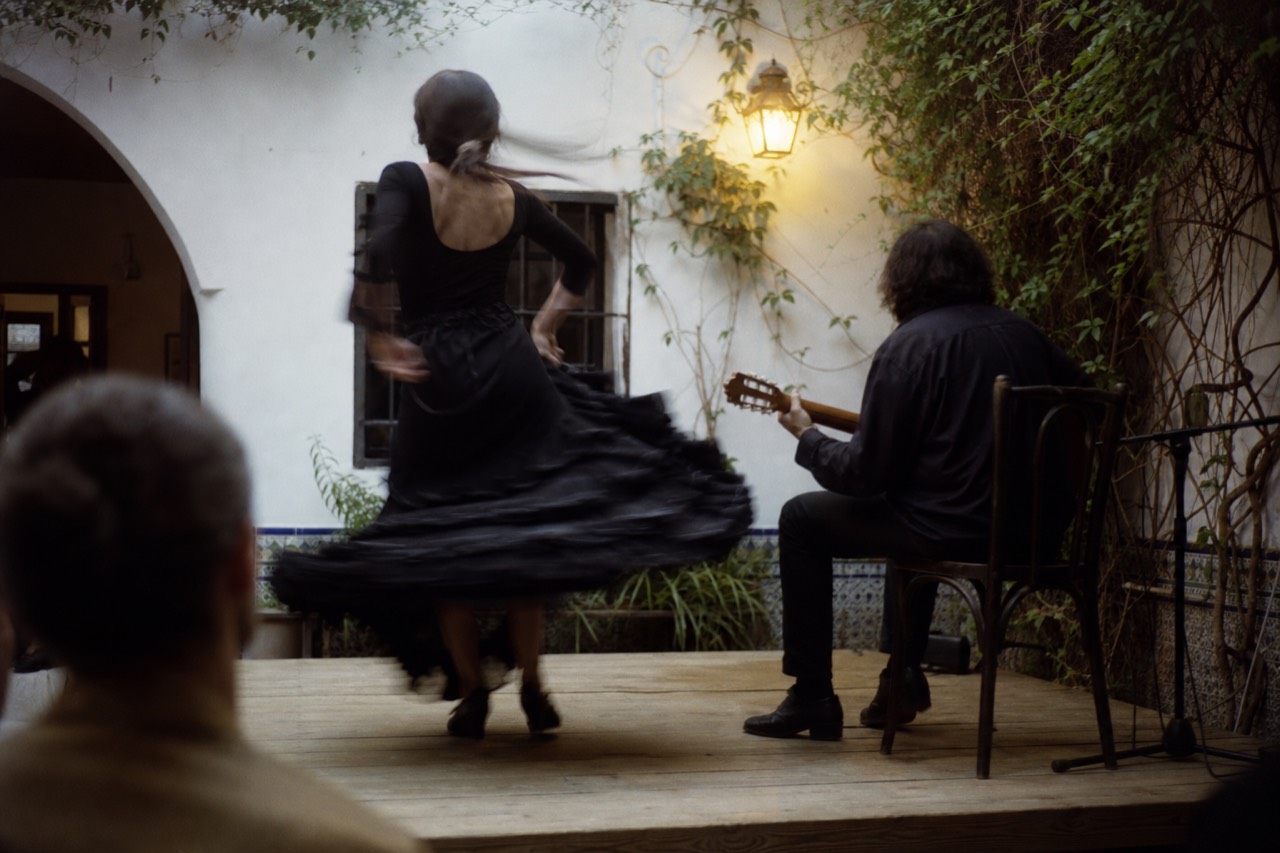
At six in the evening the Museo del Baile Flamenco stops letting people through the door, the monument queues have thinned, and the restaurant kitchens are still two hours from firing. Anyone standing on Calle Cuna at that hour feels it: one set of doors has closed and the next has not opened. What fills that gap is the real answer to the question, and it is not a building.
Prices and review counts in the comparisons are snapshots, not live quotes. Compare the same travel date, currency and ticket tier before paying.
What are the top things to do in Seville, ranked?
Ranked for a first visit, the order is: a live flamenco evening, the Real Alcázar, the cathedral and its bell tower, Triana across the river, Plaza de España at golden hour, and a late tapas crawl. The monuments are the reason people come. The evening is what they describe afterwards.
That ranking is deliberate and slightly contrarian. Almost every printed list opens with the Alcázar, and there is nothing wrong with that: the palace rooms and gardens carry a whole morning on their own. But a ranked list should measure what you cannot get anywhere else, and the flamenco evening wins that test twice over. It is the only item that happens live, changes nightly, and belongs to Seville rather than to Andalusia generally. It is also the only one that sells out. Gardens and naves do not run out of seats the way a room with sixty chairs does.
| Rank | What it is | What only this gives you | Best slot |
|---|---|---|---|
| 1 | A live flamenco evening | The city's own art form, performed nightly across sixteen bookable shows | 7:00 pm to 9:00 pm |
| 2 | Real Alcázar | Royal palace rooms and gardens, still a working residence | First entry, morning |
| 3 | Cathedral and bell tower | The climb, and the old town read from above | Late morning |
| 4 | Triana | A working riverside quarter with flamenco in its own street names | Late afternoon into dinner |
| 5 | Plaza de España | Open-air architecture at the hour the stone turns orange | 6:00 pm to sunset |
| 6 | Tapas on the local clock | Bars at their fullest, roughly €3 to €5 a dish | From 9:00 pm |
Why does an evening of live flamenco take the number one spot?
Because flamenco is the one thing on the list Seville actually owns. It sits on the UNESCO Representative List of the Intangible Cultural Heritage of Humanity, inscribed in 2010, and the city sustains an unusual density of professional rooms: sixteen bookable shows carrying 38,810 traveller reviews between them.
Density matters more than it sounds. A city with two tablaos gives you a coin flip. Seville gives you a choice of format on any given night: a four-artist hour with no microphones at all, a theater production with proper sightlines, a courtyard under a Roman temple footprint, a dinner stage with fifteen performers on it. The UNESCO listing for flamenco describes the art as the fusion of cante, baile and toque, and the small unamplified rooms are where those three sit closest together.
There is a fair objection to raise here, and this site will raise it. Some of these rooms are polished tourist product, sold in an hour-long block with a drink and a photo opportunity, and a purist will tell you the real thing happens at two in the morning in a bar with no stage. That is partly true. It is also unhelpful advice for someone with three nights in the city. The honest position is that the good tablao hour is a real performance by working professionals, and it is the most reliable way to see the art done well on a schedule you can actually keep.
If the version you want is the stripped-back one, the unamplified hour at Casa de la Memoria runs with four artists in a fifteenth-century palace and sells out on plenty of nights, so check dates and current prices before you build the evening around it. Seville also hosts the XXIV Bienal de Flamenco in September 2026, and if the trip lands in that month the whole calendar shifts: the Bienal's September 2026 programme is worth checking first.
What does a flamenco evening cost, and how long does it run?
Most shows in Seville run one hour, a few run 75 or 90 minutes. Show-only tickets start at $24 and climb to about $58 for the larger tablaos with a drink included. Dinner packages reach $128. Cancellation depends on the selected ticket and its stated deadline.
Locally quoted prices tell the same story from the other side: a standard tablao entry sits around €20 to €25 and usually includes one drink, with the bigger rooms running higher, and advance online purchase generally beating the walk-up rate. Very few of those entries include dinner, which is the detail most people get wrong when they budget the night.
The cheapest ticket in the set is Casa de la Guitarra at $24, a tight room in Santa Cruz where the walls carry a historic guitar collection. The most-reviewed is Teatro Flamenco Sevilla at $29, a one-hour theater production with several curtains a night and 19,771 reviews behind it, a volume no small tablao can match. If sightlines matter more than proximity, check the current curtain times and pick the slot that fits your dinner.
Worth saying plainly: dinner-show cooking is banquet cooking. It is fed to a full room at a fixed hour and it is fine, not memorable. The food in Seville is better in the bars. A full breakdown of the price bands sits in what a flamenco ticket actually costs, and the venue-by-venue ranking is in the ranked comparison of rooms.
When should the show start, given Seville's dinner clock?
Aim for a 7:00 pm or 7:30 pm show. Restaurant kitchens in Seville open around 8:00 to 8:30 pm and locals rarely sit down before 9:00 pm, so an early show puts you at a table exactly when the city starts eating. The alternative is an early dinner and a 9:00 pm or 10:30 pm curtain.
Show times across the city run from around 6:00 pm to 10:30 pm. Tablao Flamenco Las Setas runs four sixty-minute shows nightly at 18:00, 19:30, 21:00 and 22:30, with an occasional 16:30 in high season. Smaller rooms typically offer two slots, often 18:30 and 20:30. Across the board, evening starts cluster between 7:00 and 8:30 pm, which is why those are the seats that go first.
| Time | What is happening in the city | What it means for you |
|---|---|---|
| 5:00 pm | Earliest museum show slots begin | Good for families and early sleepers |
| 6:00 pm | Museum last entry; first tablao curtains | Monument day is over |
| 7:00 to 8:30 pm | The busiest show window citywide | Book this band first, it sells out first |
| 8:00 to 8:30 pm | Restaurant kitchens open | Tables are empty and easy to get |
| 9:00 to 11:00 pm | Locals eat; bars fill | The real dinner hour |
| 10:30 pm | Last late show curtains | Pairs with an early dinner |
| ~11:00 pm | Last metro, Monday to Thursday | Fridays and Saturdays run to around 2:00 am |
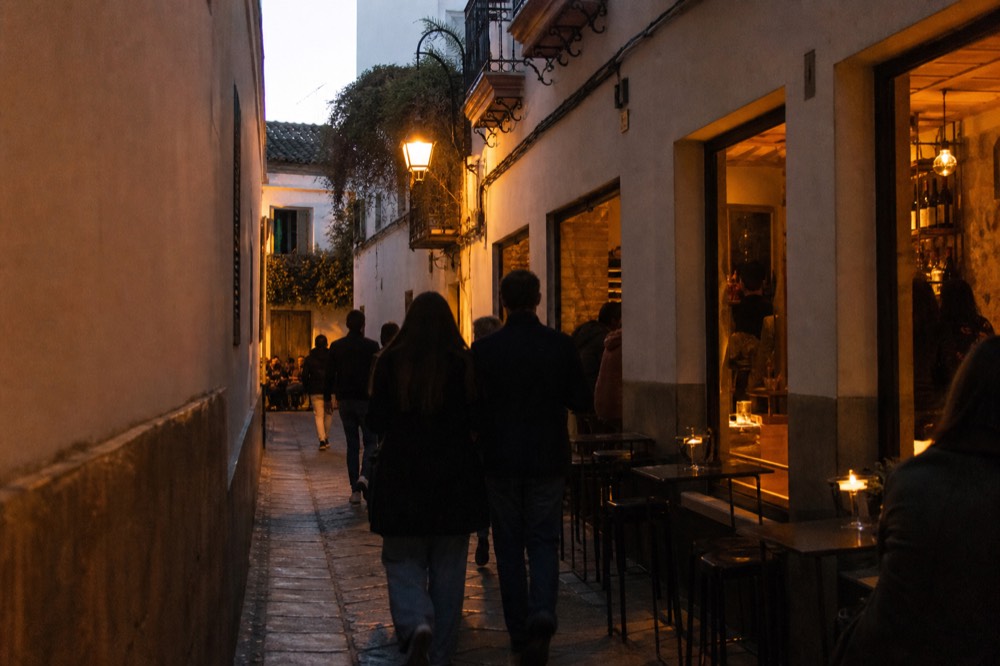
Getting home is not a problem at any hour. The metro runs until roughly 11:00 pm Monday to Thursday and later at weekends, the tram runs a little later again, and taxis and app cars work around the clock, which is set out in full in the shape of a Seville night. If the plan is to fold dinner and the show into one booking instead of juggling both, a rooftop dinner facing the cathedral paired with a show runs as a single evening, and you can see what the package includes before deciding.
Do the monuments still belong on the list?
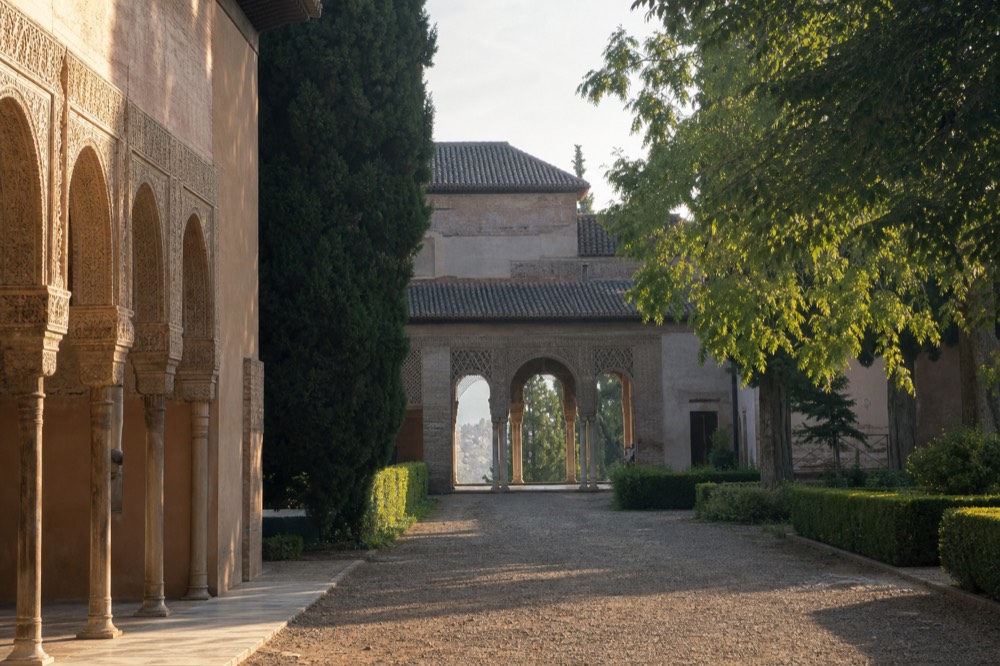
Yes, and they own the daylight completely. The Alcázar and the cathedral are the reason most people book the flight, and skipping them over a flamenco argument would be silly. The point of the ranking is sequencing: monuments before six, the evening after.
The practical constraint is closing time. The Museo del Baile Flamenco, which doubles as both a museum and a venue, admits visitors from 10:00 to 18:00 with last entry at 18:00, and on the first Monday of the month it does not open until 16:00. Most of the daytime city works on a similar rhythm. Once six o'clock passes, the choice narrows to walking, eating or watching something.
So the two halves are not competing for the same hours, and ranking the monuments second costs you nothing. Take an early Alcázar slot and the whole evening stays free for the show, which is a separate booking from the palace: book the morning slot here and work the flamenco night around it. What ranking flamenco first does is stop it becoming the thing you meant to do on the last night and did not, the single most common regret in this city. The rest of the case sits in what you should not miss.
Which months are best for planning the evening?
May, June, September and October. Those are the months when the outdoor half of a Seville evening works, walking between bars and sitting outside without either heat or rain deciding the night for you. July and August are brutal, and the flamenco rooms become an air-conditioned advantage rather than just a plan.
The long-term climate normals from the Spanish met office put July at an average 28.2°C with highs near 36.0°C, and August at 27.9°C with highs near 35.5°C. Those are averages, and 2025 blew past them: Seville recorded more than thirty days above 40°C, with peaks near or above 44°C. January sits at the other extreme in a gentle way, averaging 10.9°C with highs of 16.0°C and lows of 5.7°C, which makes it a perfectly good month for indoor evenings and empty monuments. AEMET publishes the full station record if you want to check a specific month.
Two weeks in 2026 change everything. Semana Santa runs 29 March to 5 April, and Feria de Abril runs 21 to 26 April, with the lights going up at midnight on the 20th and the fireworks closing it at midnight on the 26th. Both fill the city, reshape the streets and push accommodation prices hard. September 2026 brings the Bienal. Fitting all of that into a short trip takes some planning, which is exactly what how many days Seville really needs works through.
If there is time for only one thing, what should it be?
One evening, one show, booked before arrival. That is the answer. A room in Santa Cruz or Triana with four artists and no microphones will stay with you longer than any queue you stand in, and it costs less than a mid-range dinner.
The reason this beats the obvious answer is not that the Alcazar is overrated. It is that the palace is a thing you look at, and the show is a thing that happens to you: a singer three metres away doing something difficult, and a room going completely silent because of it. Travellers consistently describe the daytime circuit accurately and the evening emotionally, and that gap is the ranking.
Pick the format that matches the trip. Small and bare for the purist, a theater or museum stage for sightlines and comfort, dinner included if the night needs to be one booking rather than two. Then put it early in the trip rather than last, because a show missed on the final night cannot be moved, and every one of these tickets cancels free up to 24 hours out anyway.
Build Your Flamenco Evening
Check Your Date Before Planning Dinner
Compare Options And Refine Your Choice
Watch flamenco in the courtyard of the Museo del Baile Flamenco. One-hour show. Museum admission is an optional ticket tier; choose the combination to visit the exhibits.
Four artists perform without microphones in an intimate palace room. Show admission; no food or drink. Seats assigned by the box office; arrive at least 20 minutes early.
An English-speaking guide combines tapas, drinks and a flamenco show over four hours. Tapas dinner, four drinks and show included. Ages 13+. Not recommended for vegans; allergy cross-contact cannot be guaranteed. No private transport.
Compare Your Actual Evening Costs
Enter two complete quotes in the same currency for the same party. Include the show, food, drinks and transport you would buy. These are your estimates, not provider prices.
No option in this shortlist meets all those choices. Adjust your time, preference or eligibility filters, or reset to the general recommendation.
General recommendation; confirm the ticket option and guest requirements.
Museum Courtyard Flamenco
Watch flamenco in the courtyard of the Museo del Baile Flamenco. Check your date before arranging the rest of the evening.
One-hour show. Museum admission is an optional ticket tier; choose the combination to visit the exhibits.
Scheduled departures from Viator. Availability and final price are confirmed on Viator.