When and where will the Seville flamenco Biennial be held in 2026?
The XXIV Bienal de Flamenco runs from 9 September to 3 October 2026. How festival tickets differ from Seville’s regular tablao shows.
 By Carmen Ruiz, Seville flamenco show specialist & cultural experience guide
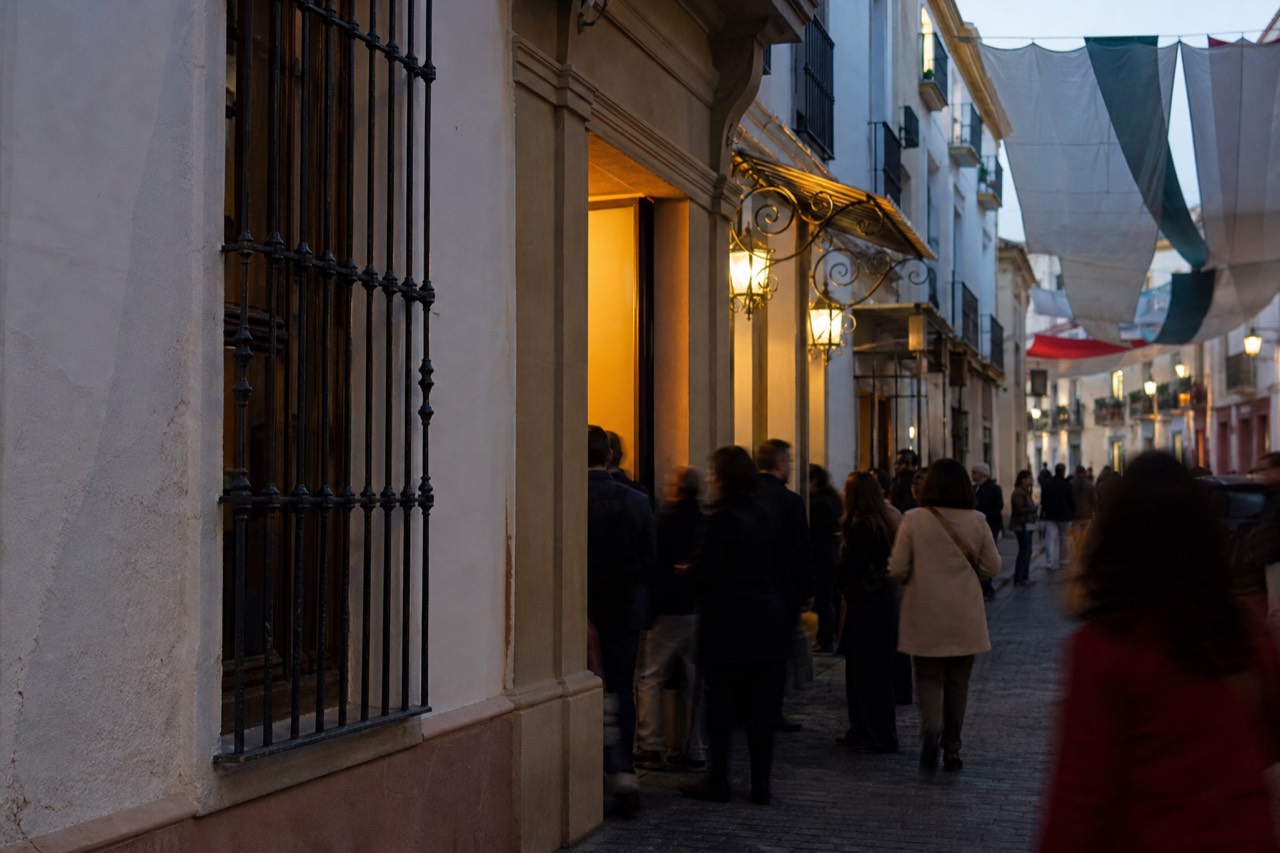
The XXIV Bienal de Flamenco takes place in Seville from 9 September to 3 October 2026. The organisers have published the dates and programme, so plan around the actual performances you want to attend.
The nightly flamenco in Seville’s tablaos and theaters continues alongside the festival. Those shows have separate tickets and are useful on evenings when you are not attending a Bienal event.
Prices and review counts in the comparisons are snapshots, not live quotes. Compare the same travel date, currency and ticket tier before paying.
When is the Seville flamenco Biennial in 2026?
The festival runs from 9 September to 3 October 2026. Use the official Bienal programme to choose the artist, date and venue before booking your festival ticket.
| Festival Detail | Confirmed Information |
|---|---|
| Edition | XXIV Bienal de Flamenco |
| City | Seville |
| Dates | 9 September to 3 October 2026 |
| Programme | Named performances and venues on the official Bienal programme |
| Tickets | Festival ticketing, separate from year-round tablao admission |
Check each performance’s start time and location before booking accommodation or filling the rest of that evening. A regular tablao ticket does not admit you to a named Bienal event.
What is the Bienal de Flamenco, exactly?
It is Seville's flamenco festival, staged in the city on a two-yearly cycle, as the name Bienal indicates. The 2026 edition is the twenty-fourth. It is a programmed festival with its own venues, artists and ticketing, which makes it a completely different thing from the nightly tablao shows that run in the city all year round.
The distinction matters when you are deciding what to book. A festival programme is built around named artists and one-off performances, often in larger venues, sold as individual events. A tablao runs a professional show on a fixed nightly schedule, usually sixty to ninety minutes, with a small resident company. Neither replaces the other, and a visitor in September can perfectly well do both in one week.
The two-year rhythm also explains the gaps. In a non-festival year the city does not go quiet: in 2025 the organisers ran an interim programme called Ciclo Amalgama, and the tablaos and theaters carried on nightly as usual, as they do every year.
What was the 2025 Ciclo Amalgama?
Ciclo Amalgama was the programme that ran between festival editions, from 1 April to 20 November 2025, keeping flamenco programming alive in the year without a Bienal. It is a useful signal for 2026 visitors: the organisation stages work outside the festival month too, and the city's flamenco calendar is not limited to one September.
| Seville flamenco in 2026, at a glance | Timing | What it means for a visitor |
|---|---|---|
| Semana Santa | 29 March to 5 April 2026 | Processions reshape the center; venues stay open, streets do not |
| Feria de Abril | 21 to 26 April 2026 | The busiest week of the year in the city; book everything early |
| Nightly tablao and theater shows | All year, every night | One to four shows per venue, commonly starting 6 pm to 8:30 pm |
| XXIV Bienal de Flamenco | September 2026, 9 September to 3 October | Festival programme in addition to the nightly shows |
| Quietest booking window | October to March | Same shows, easiest availability |
Reading that table in order is the fastest way to understand the Seville flamenco year. Two spring events dominate the city's calendar and neither is a flamenco festival, though both fill hotels. The nightly show circuit is the constant, running through all of it. The Bienal sits on top of that in its own September, adding demand rather than replacing what is already there.
For a first-time visitor the practical consequence is reassuring. Missing the festival costs you a specific programme of one-off performances, not the chance to see flamenco. The room quality on an ordinary Tuesday in February is the same room quality as in festival week.
It also puts the year-round infrastructure in perspective. Seville supports full-time flamenco venues because there is demand every night, not because a festival passes through: a foundation-run theater in Triana where profits fund flamenco teaching, unamplified 15th-century rooms that seat sixty, a museum founded by a bailaora whose company still choreographs its shows. That ecosystem is the reason a festival of this scale can exist in the city at all, and it is open to visitors fifty-two weeks a year. Anyone who wants the version of the night that funds the next generation of artists can see what the foundation theater's hour costs on their dates.
What does a Bienal September mean for tablao seats?
More competition for the same rooms. A festival month pulls flamenco-minded travelers into the city, and they fill the nightly tablaos on either side of whatever they came for. The practical effect is that the popular 7 pm to 8:30 pm slots go earlier than usual, and the small venues, which hold forty to sixty people, go first.
Booking behaviour should shift accordingly. In an ordinary month a seat two or three days out is a reasonable expectation across most of the city. In a festival month, treat that as optimistic for the small rooms and book the moment your dates are fixed. Because each ticket has its own refund terms, an early booking is an option rather than a commitment, which is exactly the tool this situation calls for.
Slot choice is the other lever. Venues that run four shows a night, commonly at 18:00, 19:30, 21:00 and 22:30, keep their earliest and latest slots available longest, at the same price as the sold-out middle. A 6 pm show also leaves the evening free for dinner at the hour the city actually eats, since kitchens open around 8 pm and locals sit down closer to 9:30.
If the plan is a September trip built around flamenco, the longer classic-tablao format is the one that fills fastest, and it is sensible to check which nights the 75-minute Los Gallos show still has seats before locking the rest of the itinerary. For a full comparison of what each room costs and includes, the ticket price ladder from $24 to $128 lays it out, and the ranked pick of the city's shows does the choosing.
Is September a good month to be in Seville anyway?
One of the better ones. Seville summers are extreme, with July and August averaging highs of 36.0°C and 35.5°C, and 2025 delivering more than thirty days above 40°C. September softens as it goes, and September and October are widely treated as the comfortable evening months alongside May and June.
That matters more than it would in a milder city, because flamenco in Seville is an evening activity attached to a walk, a dinner and usually a drink outdoors. In August the walk is the hard part. By late September the temperature at 9 pm is pleasant, the terraces refill, and the whole rhythm of the night works the way visitors imagined it. The Spanish met office publishes the long-run climate normals if you want to compare months properly rather than by anecdote.
The trade-off is company. September is a strong month for Seville tourism generally, and in a Bienal year it carries festival traffic on top. Hotels price accordingly, and the good tablao slots behave the way they do in April rather than the way they do in November.
How do you see flamenco in Seville outside festival season?
Exactly the same way you would during it. Sixteen bookable shows run nightly across the city, from $24 for a one-hour tablao to $128 for a show with a rooftop dinner, in four distinct formats: classic tablao rooms, theater and museum stages, dinner packages and small Triana venues.
| Format | What it is | From |
|---|---|---|
| Classic tablao | Small historic rooms in Santa Cruz and the center, often unamplified | $24 |
| Theater and museum stages | Larger productions, assigned seating, museum-attached shows | $29 |
| Small Triana venues | Riverside and neighborhood rooms, forty to sixty seats, drink often included | $26 |
| Dinner and package evenings | Table seating with food, or a show plus a separate dinner and transport | $42 |
Pick by room rather than by price and the choice gets easy. Someone who wants the art at close range should look at the classic tablao rooms or the small Triana venues across the river, where the guitar reaches you through air rather than a speaker. Someone who wants production values, sightlines and a guaranteed seat should look at the theater stages. Someone who wants the whole evening handled, food included, will find the four options priced out in the dinner and show package breakdown.
Whichever way you go, the honest framing is the one this site keeps returning to: the difference between a good flamenco evening and a disappointing one is almost never the festival calendar. It is the room, the slot and the arrival time. If you are still deciding whether to spend the money at all, the honest answer to whether flamenco is worth it works through what a $24 to $44 hour actually delivers.
Build Your Flamenco Evening
Check Your Date Before Planning Dinner
Compare Options And Refine Your Choice
Hear eight artists share a 75-minute classic tablao performance. Ages 6+; children accompanied by an adult. Venue wheelchair access does not extend to the bathrooms.
Watch flamenco in the courtyard of the Museo del Baile Flamenco. One-hour show. Museum admission is an optional ticket tier; choose the combination to visit the exhibits.
Four artists perform without microphones in an intimate palace room. Show admission; no food or drink. Seats assigned by the box office; arrive at least 20 minutes early.
Compare Your Actual Evening Costs
Enter two complete quotes in the same currency for the same party. Include the show, food, drinks and transport you would buy. These are your estimates, not provider prices.
No option in this shortlist meets all those choices. Adjust your time, preference or eligibility filters, or reset to the general recommendation.
General recommendation; confirm the ticket option and guest requirements.
Los Gallos: Eight Artists
Hear eight artists share a 75-minute classic tablao performance. Check your date before arranging the rest of the evening.
Ages 6+; children accompanied by an adult. Venue wheelchair access does not extend to the bathrooms.
Scheduled departures from Viator. Availability and final price are confirmed on Viator.