Seville or Granada for flamenco: which city gives you the better night?
One city gives you caves cut into a hillside, the other gives you sixteen bookable rooms and a choice of format every night. The right answer depends on how many nights you have.
 By Carmen Ruiz, Seville flamenco show specialist & cultural experience guide
Short answer
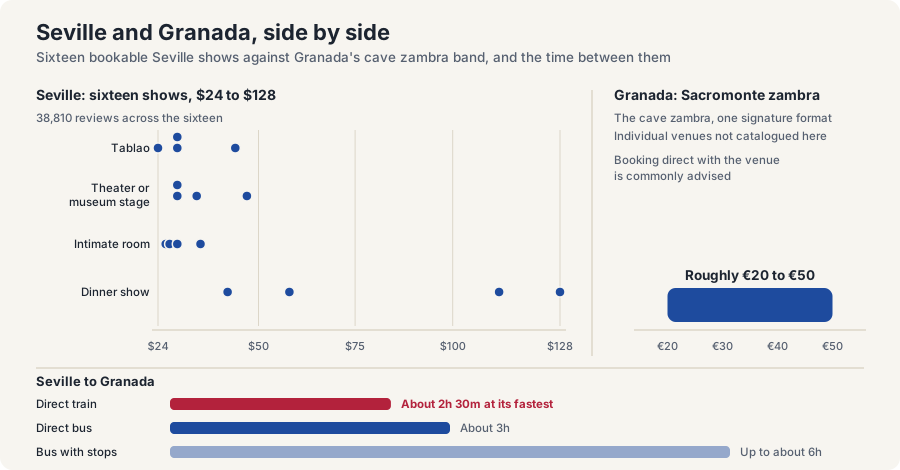
For choice, price and reliability, Seville wins: sixteen bookable shows from $24 to $128, across tablaos, theater stages, dinner packages and intimate riverside rooms. Granada wins on setting, with Sacromonte cave zambras at roughly €20 to €50. The cities sit about two and a half hours apart by train.
Two hours and change on a train separates the two cities most travellers argue about, and the argument is usually framed wrongly. It is not a contest between authentic and touristy. Granada's Sacromonte zambras and Seville's tablaos are different performance traditions in different kinds of room, and both have been shaped by paying audiences for a long time.
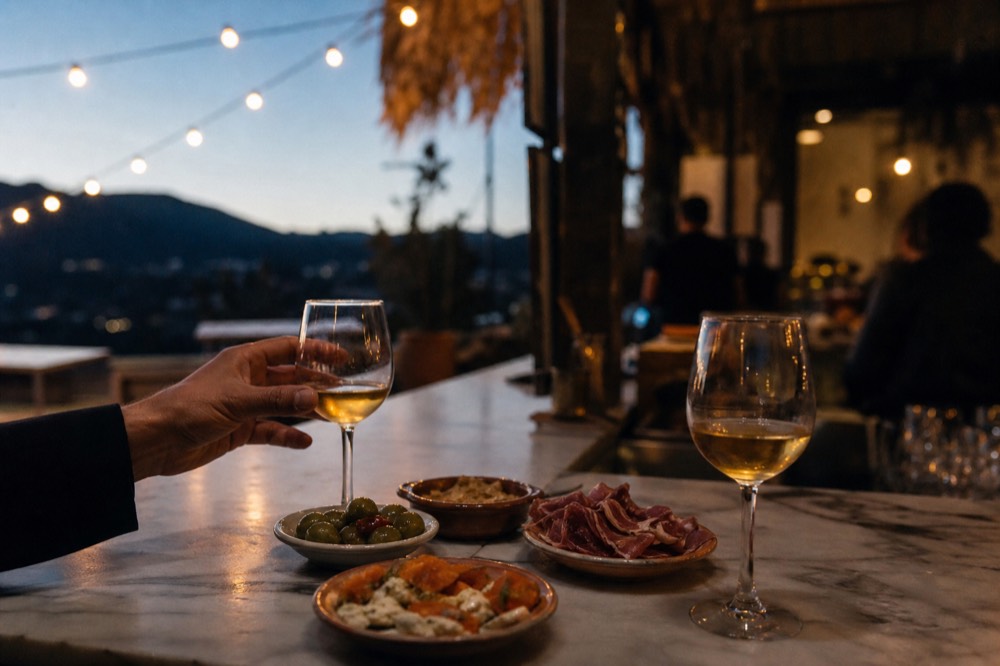
What actually differs is what you can plan. Seville supports sixteen bookable shows on a given night, spanning unamplified palace courtyards, a theater with 19,771 reviews behind it, dinner packages and riverside rooms with a drink included, priced from $24 to $128. Granada offers something Seville cannot: performances in caves dug into the Sacromonte hillside, in the historic Gitano quarter, at roughly €20 to €50 depending on venue and inclusions. This page compares the two honestly, including where Granada is the better call.
Prices and review counts in the comparisons are snapshots, not live quotes. Compare the same travel date, currency and ticket tier before paying.
Is it better to see flamenco in Seville or in Granada?
Seville is the better choice for most travellers, on volume and reliability rather than on soul. Sixteen shows are bookable there at once, from $24 to $128, spread across four formats, and cancellation depends on the selected option and its deadline. Granada offers fewer, more atmospheric options, concentrated in the Sacromonte caves.
The reasoning is practical. If you have one evening in Andalusia and you want it to go well, choose the city where you can pick a format instead of taking what is available. In Seville that means deciding between an unamplified hour with four artists, a 75-minute room with eight, a theater production running several curtains a night, a dinner package, or a small riverside room with a drink included. That range is the city's real advantage.
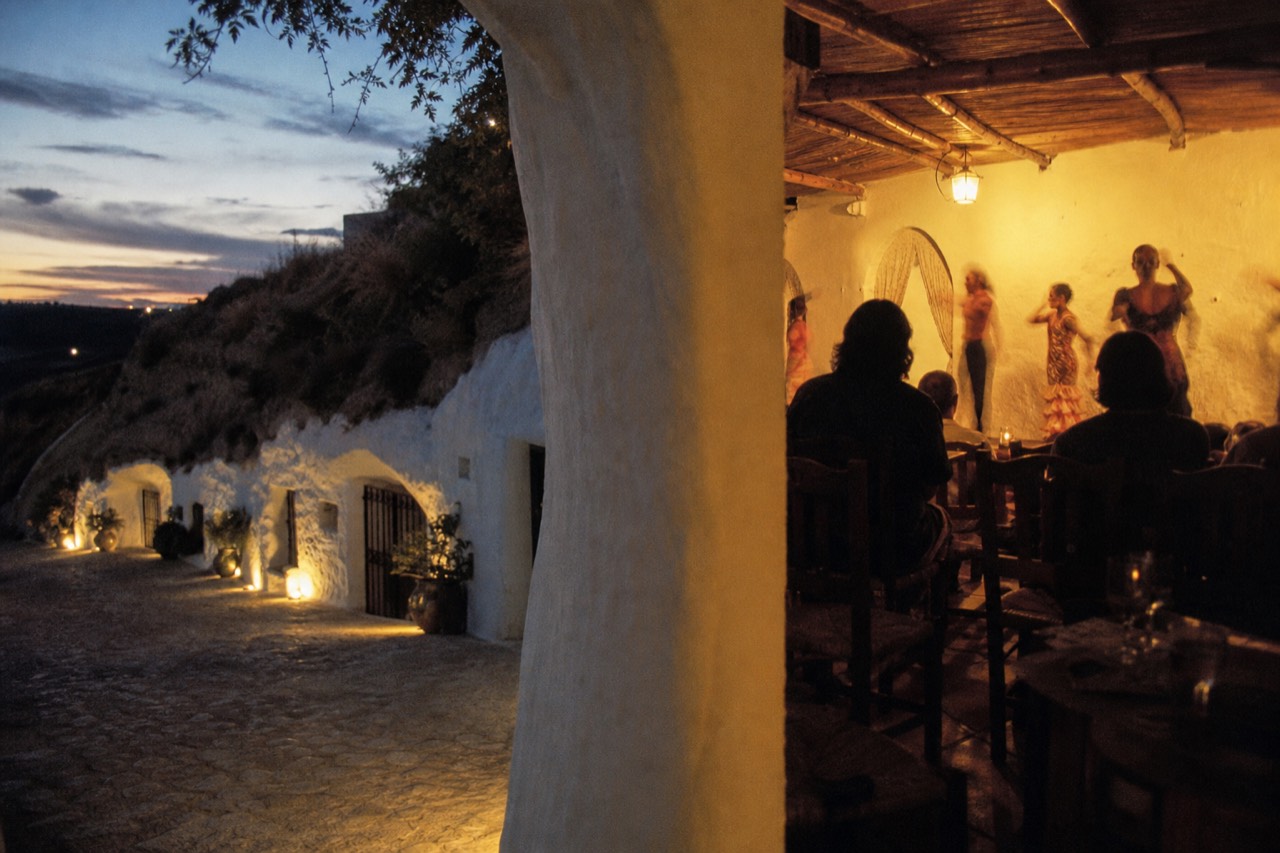
Granada's advantage is singular and hard to replicate. Sacromonte's zambra tradition is performed in cave venues in the old Gitano quarter, rooms with low whitewashed vaults and, in some cases, views across to the Alhambra. Those rooms are frequently cited as the rawer, more traditional experience, and Seville is just as frequently described as the more polished and accessible one. Both descriptions are fair.
Where the choice becomes obvious is on a second night. Seeing one show in each city teaches you more than two in either, because the contrast is between traditions and not between venues. If you only get one, and you want the largest choice of well-reviewed rooms on the night you happen to be free, take Seville and check the curtain times for your dates, since the city's most-reviewed stage runs several performances an evening.
| Seville | Granada | |
|---|---|---|
| Signature format | Tablao, theater stage, dinner show, intimate room | Sacromonte cave zambra |
| Bookable shows tracked here | 16 | Not catalogued on this site |
| Entry price band | $24 to $128 | Roughly €20 to €50 |
| Reviews behind the listings | 38,810 across the sixteen | Varies widely by venue |
| Typical setting | Palace courtyards, theaters, riverside rooms | Caves in the historic Gitano quarter |
| Reputation | Polished and accessible | Raw and traditional |
What is a zambra, and how does it differ from a tablao?
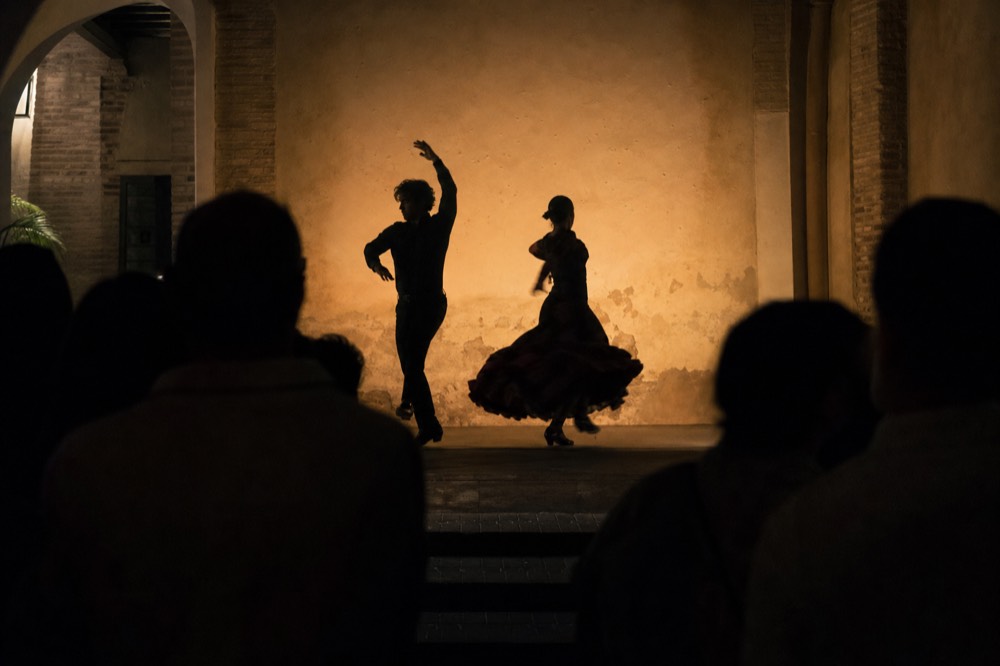
A zambra is the Sacromonte tradition of Granada, performed in cave venues in the city's historic Gitano quarter, with the audience seated along the length of a narrow whitewashed room. A tablao is a Seville-style commercial room built around a raised plank stage, with the audience facing it.
The physical difference drives everything else. A cave is long and narrow, so the seating tends to run along the walls and the performance happens in the aisle between, which puts some of the audience beside the dancer rather than in front of her. A tablao raises the dancer onto resonant wood and seats the room facing the stage, so the sound of the footwork carries through the boards. Neither arrangement is superior. They produce different evenings.
Granada's best-known zambra rooms include Zambra María la Canastera and Cuevas Los Tarantos, both in Sacromonte. Prices there generally run €20 to €50, with the variation driven by venue, timing and whether dinner or a drink is included. Local guidance leans towards booking directly with the venue rather than through a reseller, which is a meaningful difference from Seville, where the major rooms all operate through their own official listings.
Seville's equivalent formats are set out in detail in the guide to how a tablao room works, including why two of the city's classic rooms use no microphones at all. The short version: the tablao is a mid-twentieth-century commercial format, the zambra is a Sacromonte tradition, and the words are not interchangeable even though both mean a room where flamenco is performed for money.
The shared ancestry matters more than the rivalry. Flamenco developed inside Gitano communities across Andalusia from the 15th century onward, blending Romani musical traditions with local Andalusian folk forms, Arab-Andalusian music from Al-Andalus and Sephardic Jewish elements. Sacromonte and Triana are two neighborhoods of that same story, roughly two and a half hours apart, and what separates their rooms today is architecture and commercial history rather than lineage. Anyone who tells you one city holds the real thing and the other sells a copy is simplifying a fusion that was never owned by one district.
There is a second practical difference. Seville's rooms publish their formats in advance, down to artist counts, running time and age policies, so you can choose the shape of your evening before you pay. Sacromonte's venues are more variable by night, which is part of the attraction for people who want the unpredictability and part of the risk for anyone with one shot at it.
| Sacromonte zambra | Seville tablao | |
|---|---|---|
| Room shape | Long, narrow cave with vaulted whitewash | Rectangular room facing a raised plank stage |
| Where you sit | Often along the side walls | Facing the stage |
| Price band | Roughly €20 to €50 | $24 to $44 for the classic rooms |
| Booking | Direct with the venue is commonly advised | Official listings for every major room |
| Setting | Historic Gitano quarter, some with Alhambra views | Palace courtyards, Santa Cruz, Triana riverside |
| Atmosphere | Close, warm, unpredictable | Programmed, professional, close |
How much does a flamenco night cost in each city?
Seville runs from $24 for the cheapest ticketed hour to $128 for a rooftop dinner package, with nine of the sixteen shows starting at $34 or less. Granada's Sacromonte zambras generally sit at €20 to €50 depending on venue and inclusions. Neither city charges a tourist tax as of 2026.
The show is rarely the expensive part of the evening in either city. In Seville, tapas run about €3 to €5 a dish and a menú del día sits between €13 and €17, so a full evening of dinner plus a good show lands well under what a single theater ticket costs in most European capitals. Locally, show-only tablao entry commonly runs €20 to €25 including a drink, which is why the dollar listings on this site look modest rather than inflated.
Airport arithmetic is worth knowing if you are choosing where to land. The fixed taxi fare from Seville airport into the centre is €26 on weekdays between 7:00 am and 9:00 pm, and €29 at night, on weekends and on holidays. That is a published tariff rather than a meter reading, which removes one of the standard arrival anxieties.
Granada's price band overlaps Seville's almost exactly at the lower end, so cost is not a deciding factor between the cities. What differs is what the number buys. In Seville, $29 buys an unamplified hour with four or five professionals in a 15th-century courtyard. In Sacromonte, the same money buys a seat in a cave with a tradition attached to it. Choose on the room, not on the price.
| Cost item | Seville | Granada |
|---|---|---|
| Cheapest ticketed show | $24 | Zambra band starts around €20 |
| Typical mid-range show | $29 to $35 | Zambra band runs to about €50 |
| Show plus dinner package | $42 to $128 | Dinner inclusions vary by cave venue |
| Local walk-up entry | €20 to €25, usually with a drink | Book direct, price varies by night |
| Tapas per dish | €3 to €5 | Not tracked on this site |
| Menú del día | €13 to €17 | Not tracked on this site |
| Tourist tax | None in force | None in force in Andalusia |
How far apart are Seville and Granada?
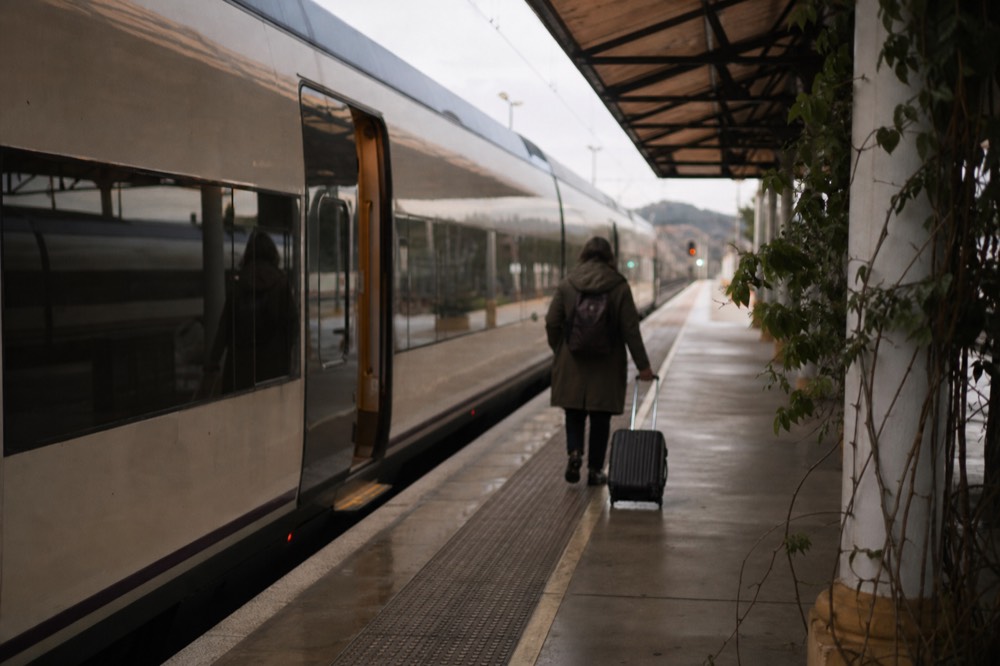
Direct trains between Sevilla Santa Justa and Granada take about 2.5 hours at their fastest, with typical journeys running up to 3.25 hours and several services a day. Buses take roughly 3 to 3.25 hours on the direct routes, up to about 6 hours on services with stops, and cost less.
That distance is short enough to make a two-city flamenco trip realistic and long enough that you should not attempt both in one day. A morning train from Seville puts you in Granada for lunch with the whole afternoon for the Alhambra and the evening free for Sacromonte. Reverse it and the same logic holds. What does not work is a day trip built around an evening show, because the last services back are unforgiving and a cave zambra finishes late.
The practical advice is to sleep where you are watching. Sacromonte is a hillside, the walk back down is dark, and Granada's flamenco evenings run on their own timetable. Seville's shows are easier in this respect: curtains cluster between 6:00 pm and 8:30 pm, the metro runs until around 11:00 pm midweek and to about 2:00 am on Friday and Saturday, and taxis operate around the clock.
If your trip has three nights or more, the case for doing both is strong, and Seville is the better base of the two because its show schedule bends around your day rather than the other way round. Book the Seville night first, since the small rooms fill, and see which evenings the courtyard room still has before you fix the train.
| Mode | Fastest | Typical | Frequency | Note |
|---|---|---|---|---|
| Direct train | About 2h 30m | up to 3h 15m | Several daily | Sevilla Santa Justa to Granada |
| Direct bus | About 3h | 3h to 3h 15m | Multiple daily | Cheaper than the train |
| Bus with stops | n/a | Up to about 6h | Varies | Only worth it on price |
Can you do both cities in one trip?
Yes, and with three nights or more it is the strongest plan available. Seville makes the better base because its shows run several curtains an evening between 6:00 pm and 8:30 pm. Give Granada its own overnight rather than trying to fit Sacromonte around a return train.
The two-night version is tight but workable. Night one in Seville, in a room chosen for format rather than convenience. Morning train. Afternoon in Granada with the Alhambra booked well ahead, which is a separate booking from any flamenco night, so book the timed entry here as soon as your dates are settled. Night two in Sacromonte, sleeping in Granada. You lose a Seville morning and gain a genuine contrast between traditions, which is a fair trade for anyone whose trip is about flamenco specifically.
With four nights you can do something better. Two Seville shows of different kinds, one Granada zambra, and a day of nothing in between. The two Seville nights should not be two tablaos. Pair an unamplified courtyard hour with a theater production, or a centre room with a riverside one across the water, and the difference between formats becomes obvious rather than theoretical. Both sides of that pairing sit in Seville's theater and museum stages and the riverside rooms in Triana.
One scheduling note that saves trouble. Spanish restaurants in Seville fill between 9:00 and 11:00 pm and kitchens open around 8:00 to 8:30 pm. Book the earliest show slot you can stand and eat afterwards like a local, rather than eating early in a half-empty dining room and then sitting through an hour on a full stomach.
| Nights available | Suggested split | What you get | What you give up |
|---|---|---|---|
| 1 night | Seville only | Largest choice of well-reviewed rooms and formats | The cave setting |
| 2 nights | Seville night 1, Granada night 2 | One tablao and one zambra, back to back | A relaxed pace |
| 3 nights | Two in Seville, one in Granada | Two Seville formats plus Sacromonte | Little else in Granada |
| 4 nights or more | Two in Seville, two in Granada | Alhambra, Sacromonte, and a format contrast in Seville | Nothing meaningful |
Which city gives you more choice on a given night?
Seville, by a wide margin. Sixteen shows are bookable there, holding 38,810 traveller reviews between them, across four formats and four neighborhoods. Busy rooms run up to four sets a night, so a late arrival or a delayed train rarely costs you the evening entirely.
Choice is not just about count, it is about recovery. If a Seville room sells out for the 20:30 slot, there is a 21:00 curtain somewhere else within a fifteen-minute walk, at a similar price, with a rating above 4.6. That redundancy does not exist in a small cave district where each venue programmes one or two performances a night and the walk between them is uphill.
The city's spread also lets you match the show to the group. Travelling with children, an early curtain with no age restriction works better than an unamplified room that discourages under-sixes. Travelling as a couple on a last night, a two-row vault or a riverside room with a drink included beats a big stage. Wanting to hear the singing without a mixing desk, only two rooms in the centre state that they use no microphones at all.
Across the river, the Triana rooms hold 6,011 reviews between them and include the highest-rated regular show in the city at 4.9 across 769. That room includes a drink and skip-the-line entry at $35, which is worth checking against your dates if you want the strongest score on the board rather than the biggest room. The full ranked comparison sits in the ranked list of Seville's sixteen shows.
| Category | Lead show | From | Rating (reviews) |
|---|---|---|---|
| Classic tablaos | Casa de la Memoria | $29 | 4.7 (1,088) |
| Theater and museum stages | Teatro Flamenco Sevilla | $29 | 4.7 (19,771) |
| Dinner shows | Tablao El Arenal | $58 | 4.7 (1,490) |
| Intimate rooms | Tablao Pura Esencia | $35 | 4.9 (769) |
What is nicer overall, Seville or Granada?
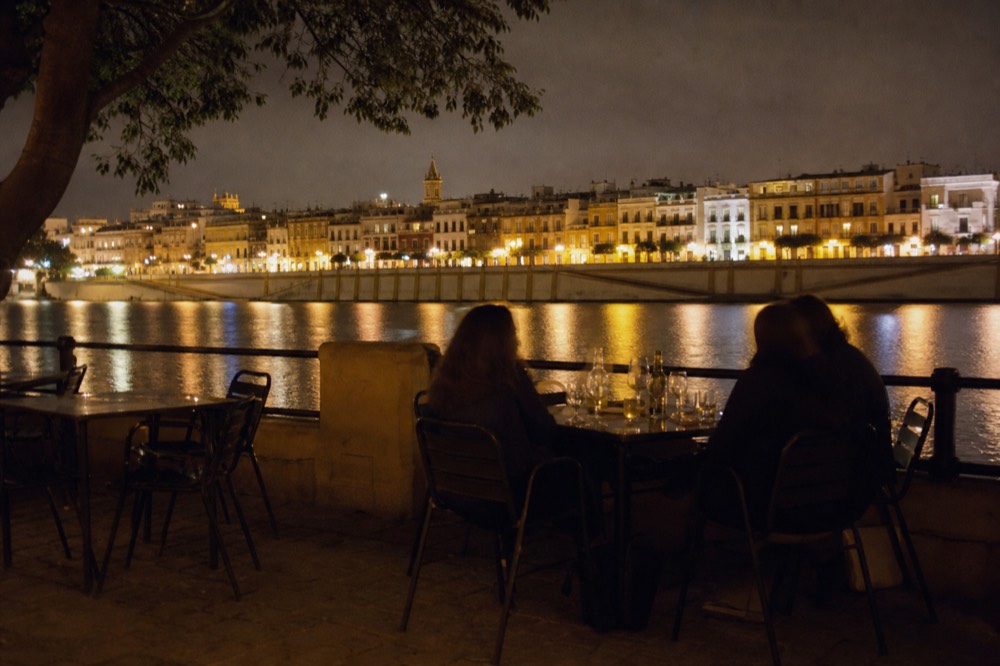
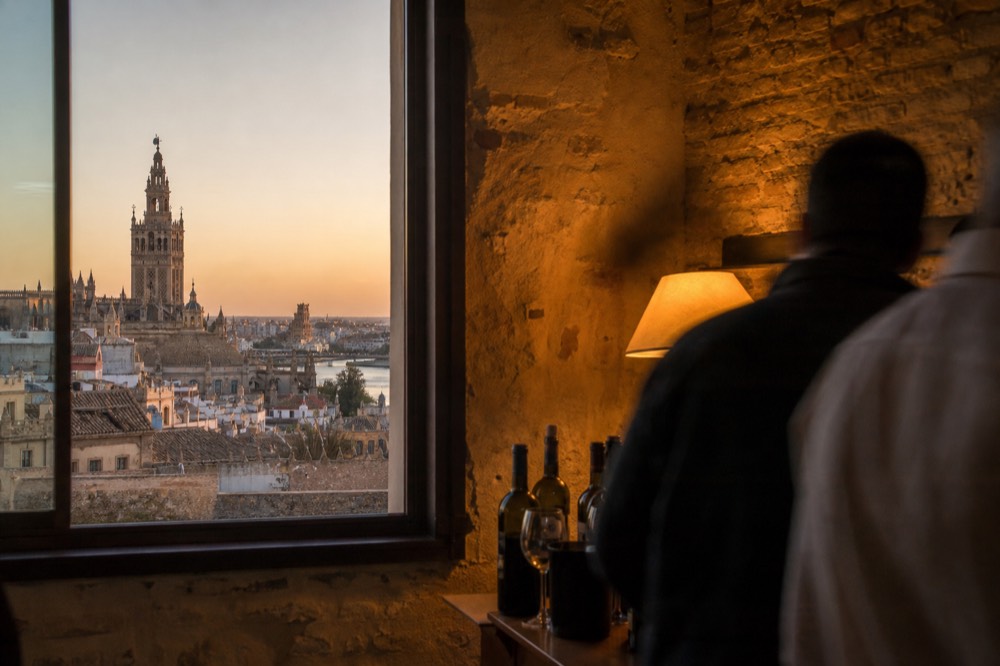
Different pleasures. Seville is flat, grand and built for evenings outdoors, with a cathedral, an Alcázar and a river you walk along at night. Granada is a hillside city under the Sierra Nevada with the Alhambra above it. For a flamenco-led trip, Seville's density of rooms and restaurants makes the evenings easier.
Take the question seriously rather than tribally. Granada has the single most extraordinary monument in Spain and a quarter of caves that still perform their own tradition. Seville has more places to eat well after ten at night, a flat centre you can cross on foot in twenty minutes, and a calendar of events that draws people from across the world. If the trip is about architecture, Granada is hard to beat. If the trip is about evenings, Seville is.
Seville's event calendar is worth planning around either way. Semana Santa runs from 29 March to 5 April in 2026 and Feria de Abril follows from 21 to 26 April, and both transform the city and its accommodation prices. The XXIV Bienal de Flamenco takes place in Seville in September 2026, from 9 September to 3 October, and the detail sits in the note on the Bienal de Flamenco in September 2026.
One honest caveat about summer. Seville is genuinely hot: July normals put the average daily high at 36.0°C and August at 35.5°C, and 2025 brought more than thirty days above 40°C. Indoor and courtyard shows are a relief rather than a chore in that weather, and flamenco is one of the few daytime-proof activities in the city, since almost everything starts after six. Museum and courtyard rooms are covered in Seville's theater and museum programme, and in high summer the late slots are the comfortable ones in every venue that opens to the sky.
When should you go, and does the season change the answer?
May, June, September and October are the comfortable evening months in Seville. July and August are hot, with average highs of 36.0°C and 35.5°C respectively, and 2025 brought more than thirty days above 40°C. January is mild by northern standards, averaging 10.9°C with highs around 16.0°C.
Heat changes the practical shape of a flamenco evening rather than cancelling it. In August, the 18:00 curtain is uncomfortable to walk to and the 21:00 or 22:30 slot is pleasant, because the city cools slowly after dark and the streets refill around ten. In November, the opposite holds. Courtyard venues feel wonderful in May and exposed in January, while indoor rooms and the underground vault are steady year-round.
Two dates deserve advance planning. Semana Santa, 29 March to 5 April 2026, fills the centre with processions and makes walking across town unpredictable at short notice. Feria de Abril, 21 to 26 April 2026, is the city's biggest week and the one where accommodation is hardest. Shows still run through both, but arrival times need padding and booking needs to happen earlier than usual.
Climate normals for Seville airport are published by Spain's national meteorological agency, and they are the sane reference point for planning rather than a forecast app three months out. Between the two cities, the seasonal advice is the same, with one qualification: Granada sits higher and closer to the Sierra Nevada, so its winter evenings feel different from Seville's.
| Season | Seville evening feel | What is happening | Show timing that works |
|---|---|---|---|
| March to early April | Mild, occasional rain | Semana Santa, 29 March to 5 April 2026 | Early curtains, pad your walking time |
| Late April | Warm and busy | Feria de Abril, 21 to 26 April 2026 | Book weeks ahead, any slot |
| May to June | The best evening weather of the year | Courtyards at their best | 18:00 to 20:30 |
| July to August | Hot, highs around 36.0°C and 35.5°C | Quiet streets until after sunset | 21:00 or 22:30 |
| September | Warm, easing | XXIV Bienal de Flamenco, September 2026 | Any slot, book early |
| October | Mild and comfortable | Fewer crowds, good value | 18:00 to 20:30 |
| November to February | Cool evenings, average January high 16.0°C | Lowest prices of the year | Indoor rooms over open courtyards |
Which city suits which traveller?
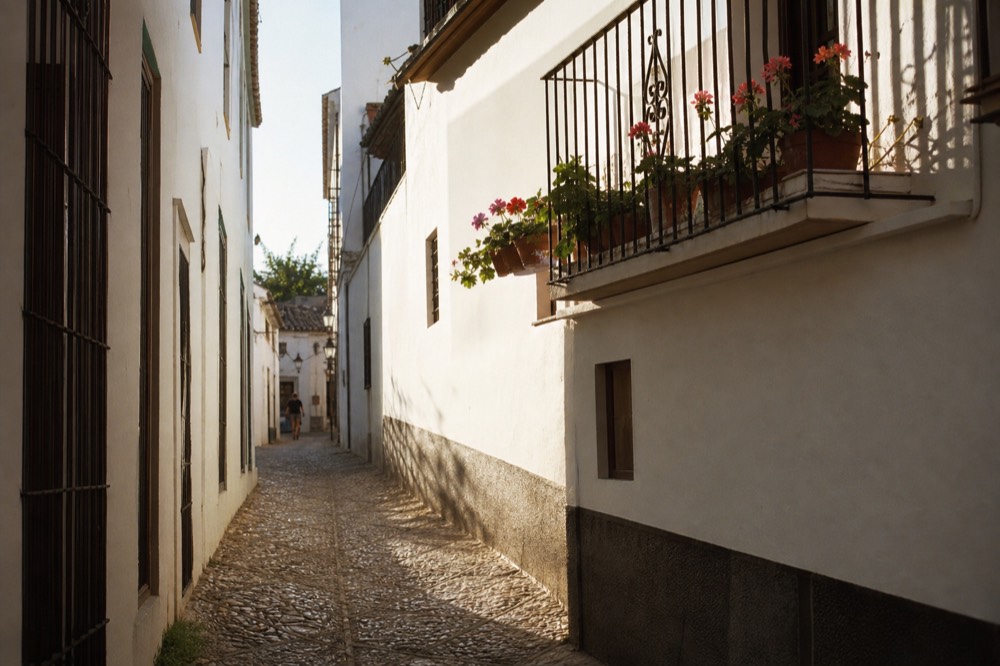
One night in Andalusia, choose Seville. Flamenco-led trip of three nights or more, do both. Set on the cave setting above everything else, choose Granada and book directly with the venue. Travelling with children or with limited mobility, Seville's range of formats and flat centre makes it the safer call.
Traveller type decides this more cleanly than any ranking. A couple on a short break wants the strongest single evening, which means Seville's format choice and the ability to swap rooms if the slot they want has gone. A family wants an early curtain with no age restriction and a short walk home, which Seville has and a hillside cave district does not. An enthusiast who already knows the palos wants the room with the strongest tradition attached, and Sacromonte has a claim there that no Seville tablao can match.
Accessibility is worth naming because it is rarely mentioned. Seville's rooms publish specifics, including venues where the bathrooms are down twenty-two steps with no elevator, so you can check before booking rather than after arriving. Sacromonte is a hillside of caves, which carries its own obvious constraints. This is not a knock on Granada, it is information that changes decisions.
Whichever city you land on, the format matters more than the postcode. A cave zambra and a plank-floor tablao both put working professionals a few feet from your chair, and both reward a bit of preparation. If you want to know what to wear, when to shout, and when clapping along would wreck the compás, that is set out in what to wear and how the room works. Flamenco itself is on the UNESCO Representative List of the Intangible Cultural Heritage of Humanity, inscribed in 2010, and that recognition covers both traditions equally.
| Traveller | Better city | Why |
|---|---|---|
| One evening in Andalusia | Seville | Sixteen bookable shows, four formats, several curtains a night |
| Flamenco-led trip, 3 nights or more | Both | The contrast between tablao and zambra is the point |
| Set on the cave setting | Granada | Sacromonte cannot be replicated anywhere else |
| Travelling with children | Seville | Early curtains, rooms with no age floor, flat centre |
| Limited mobility | Seville | Venue-level access details published on the listings |
| Tight budget | Seville | $24 entry, and a free bar night exists in the city |
| Architecture first | Granada | The Alhambra outranks everything on either list |
Frequently asked questions
Is Seville or Granada better for flamenco?
Seville for choice and reliability, Granada for setting. Seville offers sixteen bookable shows from $24 to $128 across four formats, with option-specific cancellation terms. Granada offers Sacromonte cave zambras at roughly €20 to €50, in the historic Gitano quarter, which is a room type Seville does not have.
How long does it take to get from Seville to Granada?
About 2.5 hours on the fastest direct train, with typical journeys running up to 3.25 hours and several services daily. Direct buses take roughly 3 to 3.25 hours and cost less, while services with stops can stretch to about 6 hours.
What is a zambra?
The Sacromonte tradition in Granada, performed in cave venues in the city's historic Gitano quarter, with the audience commonly seated along the length of a narrow whitewashed room rather than facing a raised stage. Local guidance favours booking directly with the venue.
Is flamenco in Seville touristy?
Some of it is priced for visitors, and pretending otherwise would be dishonest. It is also where a large share of professional flamenco is actually performed, four sets a night, by working artists. Two rooms in the centre state that no microphones are used at all, which is not a concession to a tourist audience.
Can I see flamenco in both cities on the same trip?
Yes, with three nights or more. Sleep in the city you are watching in, because both cities' shows finish late and Sacromonte involves a dark walk downhill. Seville makes the better base, since its rooms run several curtains between 6:00 pm and 8:30 pm.
Which city is cheaper for a flamenco night?
They overlap. Seville starts at $24 and its local walk-up rate for a show-only tablao entry commonly runs €20 to €25 with a drink. Granada's zambras generally sit between €20 and €50. Neither city charges a tourist tax, so the difference comes down to the room you choose rather than the city.
Build Your Flamenco Evening
Check Your Date Before Planning Dinner
Compare Options And Refine Your Choice
Four artists perform without microphones in an intimate palace room. Show admission; no food or drink. Seats assigned by the box office; arrive at least 20 minutes early.
Experience a flamenco show inside the caves of Sacromonte in Granada. One drink included. Meet at Cuevas Los Tarantos, Camino del Sacromonte 9. No transport from Seville; infants sit on laps.
Hear a guitarist, singer and two dancers in a small Triana room. Show with a welcome drink described in the itinerary; additional drinks extra. Meet at Calle Betis; no transfer. Children accompanied by an adult.
Compare Your Actual Evening Costs
Enter two complete quotes in the same currency for the same party. Include the show, food, drinks and transport you would buy. These are your estimates, not provider prices.
No option in this shortlist meets all those choices. Adjust your time, preference or eligibility filters, or reset to the general recommendation.
General recommendation; confirm the ticket option and guest requirements.
Casa De La Memoria
Four artists perform without microphones in an intimate palace room. Check your date before arranging the rest of the evening.
Show admission; no food or drink. Seats assigned by the box office; arrive at least 20 minutes early.
Scheduled departures from Viator. Availability and final price are confirmed on Viator.